
Other than a few showers and a couple of larger storms, Autumn so far generally is being characterised by the same word that has been used to summarise the rest of 2026 – dry.
Probably due to the lack of rain throughout the year, the ground throughout most of the country seems to be acting as a sponge for any rain that does appear, resulting in unseasonably hard ground still at the time of writing. Tractors are leaving little trace in the field and many farmers are yet to bring their stock under cover.
Consequently, demand is staying relatively slow, and prices steady. With this being the general consensus for most of the UK, it doesn’t make for a particularly exciting trade report.
However, with the El Nino set to cause apparently extreme weather events throughout the next few months and the Government issuing ever-ominous warnings for the public to prepare, we thought we’d create our own guide to help ensure you don’t get caught in a sticky spot throughout the winter months.
Spotlight of the Month: Stock Up for Winter
The winter is always a challenging time for farmers or any animal owners. The day to day issues that can feel inconvenient in temperate conditions and under sunny skies take on a new level of vengeance when temperatures drop below freezing and you’re faced with relentless rain, howling wind and darkness that begins at 4pm.
Animal health can also pose challenges throughout the winter months, with nutritious fodder and dry bedding becoming even more important.
Therefore, now is the time to check your stocks and plan ahead:
- Hay: Check your remaining supplies and estimate how much you’ll need over winter. Choose forage appropriate for your animals and their nutritional needs. Consider higher protein hays such as rye grass for additional winter benefit.
- Straw: Make sure you have enough bedding to keep your routine running smoothly as conditions become wetter and bedding needs changing from frequently. Wheat straw generally offers the best absorbency rate, helping reduce waste.
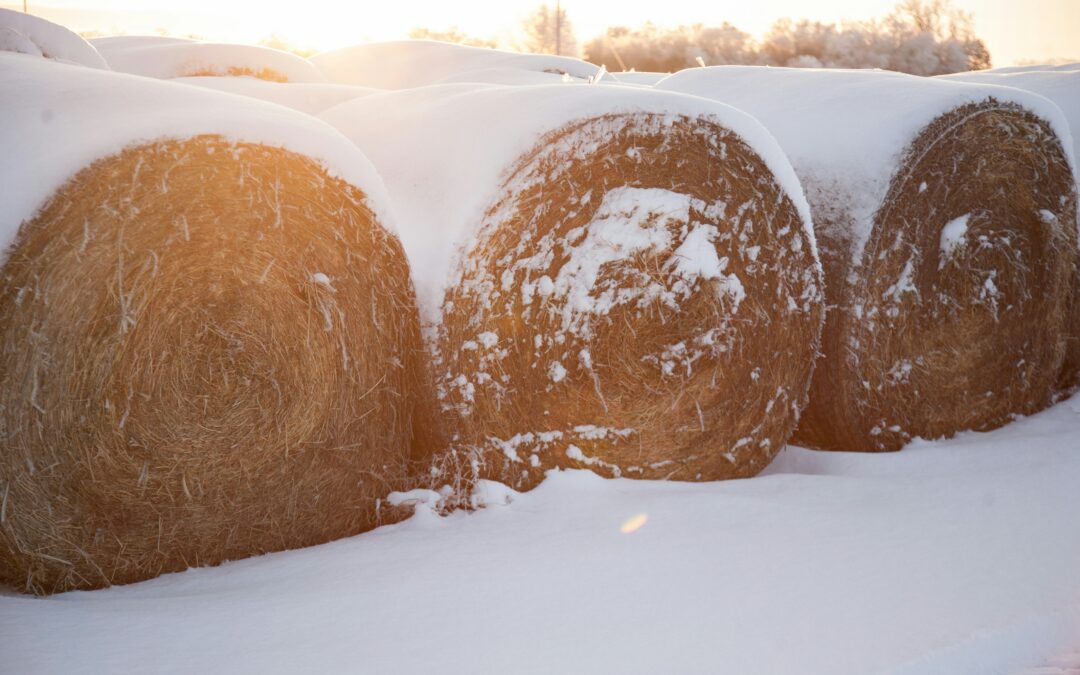
- Storage: Keep bales dry, well-ventilated and protected from rain and ground moisture. Pallets, well-maintained sheds and tarpaulin sheets come into their own this time of year. Check stored supplies regularly for dampness or deterioration.
- Deliveries: Avoid leaving your order until the last minute. Wet weather and busy periods can make access and scheduling more challenging. And while autumn has been dry, demand will inevitably pick up over the next couple of months. Ordering ahead reduces the risk of delays, particularly if you have access that is affected by extreme or winter weather conditions.
Delivering When It Matters
We know that reliable supplies are an important part of keeping farms and horse yards running smoothly. If you have particular delivery requirements, restricted access or a preferred delivery date, let us know when placing your order so we can discuss the arrangements.
A checklist to summarise:
- Count your remaining hay and straw bales
- Estimate your requirements for the coming months
- Check your storage area for leaks, damp and ventilation
- Make sure delivery vehicles can safely access your yard or farm in wet weather
- Arrange your next delivery before stocks run low
A little preparation now can make a big difference. Contact Abbott & Co today to top up your stock.
Reviews update
Thank you to all those who submitted reviews to be featured on our website from our last newsletter – the winner from the prize draw has now been contacted and received their £50 credit.
We’re always looking to gather more reviews on other platforms – Google particularly helps our web presence – if you’re happy with your recent service from us, please feel free to leave us a Google review on the link.
As ever, if you’re looking for assistance of any kind, please contact our office team on 01285 653738